“Makeup Causes Pimples”
Larry Jaeger and his team of distinguished physicians at Advanced Dermatology Associates discuss the main reasons for acne outbreak and other skin care problems associated with makeup causes pimples.

Six Makeup Tips Preventing Pimples:
- Never sleep in your makeup. Makeup causes pimples!!!
- Every night before bed, make it a point to thoroughly but gently remove all traces of makeup from your face and neck. This minimizes the chance that the makeup will clog the pores, and also removes dirt and excess oil that built up on your skin throughout the day.
- No need to scrub at the skin. All you really need is a gentle cleanser and your hands or a soft washcloth.
- After cleansing, don’t forget to apply those acne treatment medications if you have them.
- Choose makeup labeled noncomedogenic: Noncomedogenic makeup does not contain ingredients known to clog the pores. And reducing the amount of pore blockages is a good place to start when treating acne. If you have very mild comedonal acne, sometimes your breakouts will improve just by changing to noncomedogenic makeup.
- Clean your applicators frequently: Half of the fight against blemishes is reducing the amount of acne-causing bacteria on your skin — and makeup brushes and applicators are bacteria magnets.
Wash all makeup brushes with antimicrobial soap at least once each week. For a quick, mid-week sanitizing, thoroughly spray your brushes with with isopropyl (rubbing) alcohol and wipe excess alcohol and makeup off with a clean paper towel.
Bonus Tip: Disposable makeup applicators are a great alternative, especially if you’re super busy and find it hard to find time to clean your brushes.
Preventing Pimple Outbreaks
To prevent your makeup from causing pimples…
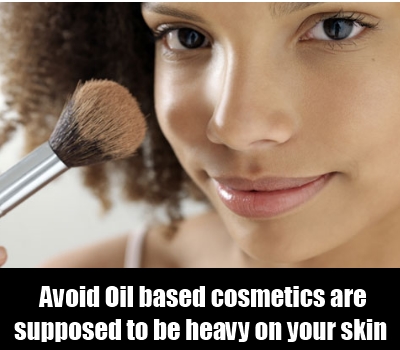
Dr. Larry Jaeger also recommends the following makeup/cosmetics:
- Choose powder-based makeup instead of liquids.
- Although liquid makeup gives better coverage, many have an oil base. This is definitely not something you want to put on your acne prone skin.
- Instead, consider a powder-based makeup. They feel lighter on the skin, and they have the added benefit of helping to absorb excess oil.
- If you really love liquid makeup, that’s OK. Just make sure it’s a good fit for blemish-prone skin. It should be oil-free and noncomedogenic.
- Try switching brands.
- If your acne seems to worsen after wearing makeup for several days in a row, you may want to try a different brand. Certain makeup formulations, even those labeled noncomedogenic, can cause breakouts in sensitive individuals.If this seems to be the case for you, try another brand. Your skin might tolerate one better than another.
- Go bare whenever possible.
- Leave your face makeup-less at least a few times a week. Allow your skin time to breathe and heal.
- If you don’t feel comfortable going makeup-free all day, cleanse your face as soon as you get home.
Makeup Causes Pimples